|  |  |  |  |  |  | Tour Highlights: | - Camp in weather proof tent cabins in Katmai National Park
- Accessible by air only; flight along an active chain of volcanoes
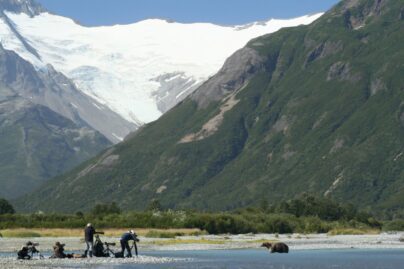
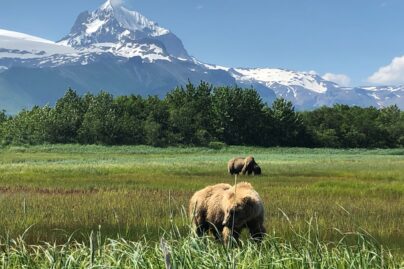
- Bear viewing on remote wilderness beaches
|  |
Tour Includes:
| - Roundtrip scheduled flights from Homer.
- Overnight in weather proof tent cabins.
- Guided bear viewing by expert naturalist guide.
- All meals while at camp.
- All taxes.
|
|
| |  |
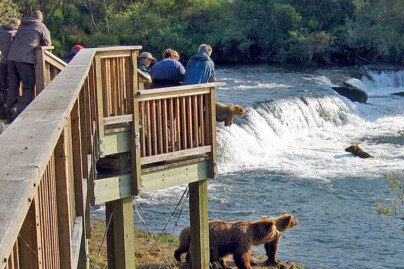
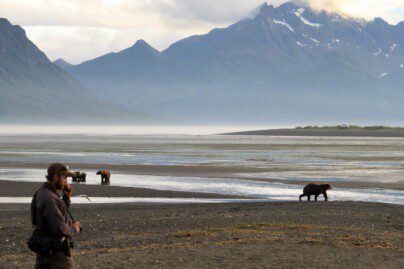
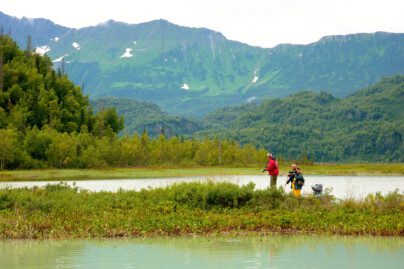
Hallo Bay is a private camp located on the Pacific Coast of Katmai National Park, specializing only in guided bear viewing and photography trips. Bear observation in the field is conducted under the direction of professional guides whose primary duties include the safety of guests and the continued preservation of this unique area and its magnificent wildlife. Hallo Bay Wilderness is designed to be a wildlife and bear viewing experience in a true Alaska wilderness setting.
There are no viewing platforms or man-made trails at Hallo Bay, and with a client to guide ration of 5 to 1, the human footprint on the wildlife habitat is much less impacted. The Hallo Bay Bear Camp was created with an acute awareness of the pristine environment rather than focusing attention on luxurious accommodations.
|
|
CAMP INFORMATION AND ITINERARY
INFORMATION
Overnight
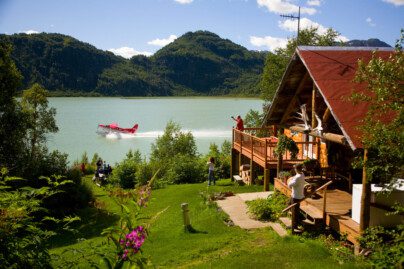
accommodations: Guest overnight in
weatherproof designed tent cabins. They are very simple, have wooden floors,
solid doors, windows with screens, a small sink and vanity, table/chairs, gas
lighting, heater, and beds/bedding. There are two private hot showers located in
separate buildings and two composting toilets serving the camp.
Bear viewing
opportunities: Hallo Bay
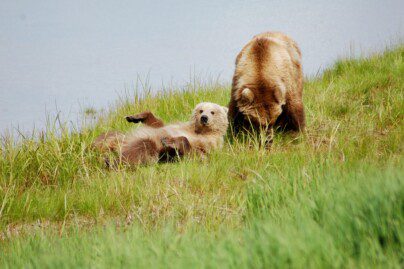
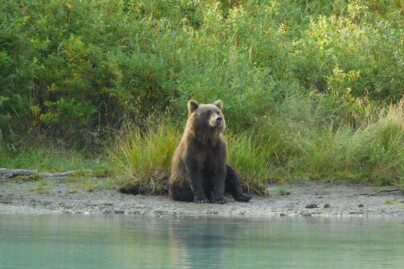
Camp is located in the one of the highest natural concentrations of brown bears
in Alaska.
Anytime from June to mid September Hallo Bay provides excellent opportunities to
observe the bears. The area of Hallo Bay is a food rich natural habitat where
bears find all foods and do not leave the area, whether it be fish, berries,
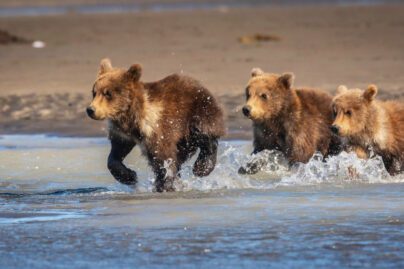
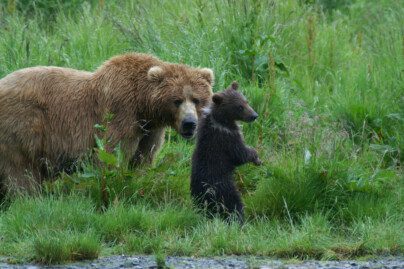
clams, or sweet grasses. During June and July bears generally are being seen
feeding on grass and digging for clams; that typically is also the time when you
see cubs. August and September is generally the time when bears feed on
salmon. Please note that these are general guidelines only - we cannot guarantee
that you see bears feeding on specific food sources.
Bear viewing method: Bear viewing is by foot.
Accompanied by the guide (usually 4-5 guests per guide) you walk through
wilderness including grass, meadows, along the beach etc. Guests need to be
prepared to walk up to 8-9 hours, for about 4-5 miles average. Difficulty level:
moderate walk.
What to
bring: warm clothing, rain gear, and
rubber boots. (Clothing colors should be kept to dark or earth tone shades such
as green, blue, brown, black and grey). Towels for the showers, shampoos and
soaps. The camp operates an environmentally friendly eco camp. All products
being used and that guests use have to have the environmentally friendly label
on every product. Alcoholic beverages are not available at the camp, but can be
brought to the camp by guests.
Weather Circumstances: Guests need to prepare for rainy days. Even though it rains a lot
in the area, guests still will go out for bear viewing. It is important to plan
several extra weather window days AFTER this tour program in case the return
flights is being delayed due to bad weather!
ITINERARY
Day
1/Arrival: Transfer on own to meet morning flight to Hallo Bay.
Sensational views of the coastal area of Kachemak Bay and the Alaska Peninsula
on the approx. 1 hr flight from Homer in small planes (each way). Meet guide on
arrival and after a brief orientation walk to prime bear viewing areas on the
coast. Approx. 2.5 hours bear viewing in the park. Dinner at the Hallo Bay
Camp. Overnight in weather proof tent cabins.
Day 2+/Hallo Bay
Camp: Remember to look around before you step out of your cabin as it
is common to have bears in the camp at anytime! Breakfast is served in the
galley. Your lunch will be packed by the cook in preparation for a full day
outing. Spend the day on a guided walk (moderate but long distance)
to where there is a very interesting tidal lagoon. The point overlooking
the lagoon affords good views of the area's glaciers, volcanoes, brown bears,
moose, shorebirds, waterfowl, and nesting bald eagles. The lagoon is excellent
bear habitat in all seasons. Providing succulent sedges from May to July, and
salmon runs from July to October. The beach combing in this area is incredible
due to the nature of the currents. Japanese glass net floats, old shipwreck
debris, thousands of beached logs, whale bones, and countless other objects are
stacked against the sand dunes. Return to Camp in time for dinner,
followed by an evening educational program which may be about bears, geology,
wildlife photography, or native culture.
Departure:
Return to Homer after breakfast.
This itinerary may change -
without notice - due to weather, tides, animal behavior, arriving or departing
aircraft schedules and client safety.
|
|
| IMPORTANT
NOTES
- Days of operation: the
2-Night Program is possible on Mondays and Wednesdays; the
3-Night Program on Fridays.
- Weight limit for flights: 250 pound is the
total allowed weight per person including body weight & luggage
- Child policy: Children are welcome at the
camp but they must be under parental supervision at all times!
- Weather circumstances: It is important to
plan several extra weather window days after this tour program in case the
return flight is delayed due to bad weather! We also highly recommend an
overnight in Homer prior to these tours as departure typically is early in the
morning!
PAYMENT POLICY
Deposit of
50% is required, without reservation is not confirmed! Final payment due 60 days
prior.
REFUND / CANCELLATION
POLICY
Cancellations any time after booking are subject
to a 100% cancellation fee.
Please note that this tour is not refundable
due to weather cancellation or any other reason. However, a booking credit is
allowed for a period of 2 years from the original trip date (price increase
adjustments may apply).
If you are not able to leave
Hallo Bay Camp due to weather, a $125 per person per day charge will be levied
to cover food and lodging.
| |
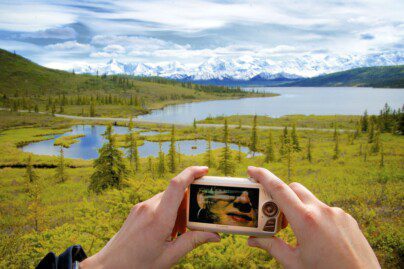
TRAVEL TO ALASKA: Please make sure you have your proper documents (US Drivers License or
passport) with you, your credit card and camera/video recorder. If you booked a rental car with us that you will pick up upon arrival in
Alaska, please make sure you provide us with your flight arrival information so
that your car is ready for you when you arrive! Also remember that Alaska has its own time zone. Alaska is 1 hour behind
Pacific Standard Time / 2 hours behind Mountain Standard Time / 3 hours behind
Central Standard Time / 4 hours behind Eastern Standard Time. WHAT TO PACK: Temperatures from June through August range between 60°F / 16° C to 80°F /
27°. May and September are typically cooler, with temperatures ranging between
45°F / 7° C to 55°F / 13° C. Temperatures in the winter can range from -40
degrees to 40 degrees. If summer or winter the general rule for Alaska is casual, comfortable
clothing that can be worn in layers. The first layer should be something thin
and next to the skin (try to avoid cotton). The second layer adds warmth and
allows you the option of removing if it gets warmer (mostly fleece or similar).
The third layer should protect you against rain and wind if necessary.
For day cruises into Prince William Sound and Kenai Fjords National
Park, for example, we recommend an extra layer including a scarf, hat and
gloves, as it can be chilly on the boats - even in the summer!
Comfortable walking shoes or water repellent hiking boots are also
important.
If you visit in the winter, your outer layer should
protect you against the cold and wind. Even so jeans are comfortable, they are
not ideal when it is really cold. Ski pants are protecting better against the
cold weather. Do not forget to bring a warm scarf, hat, gloves, and boots.
|
|
| | |